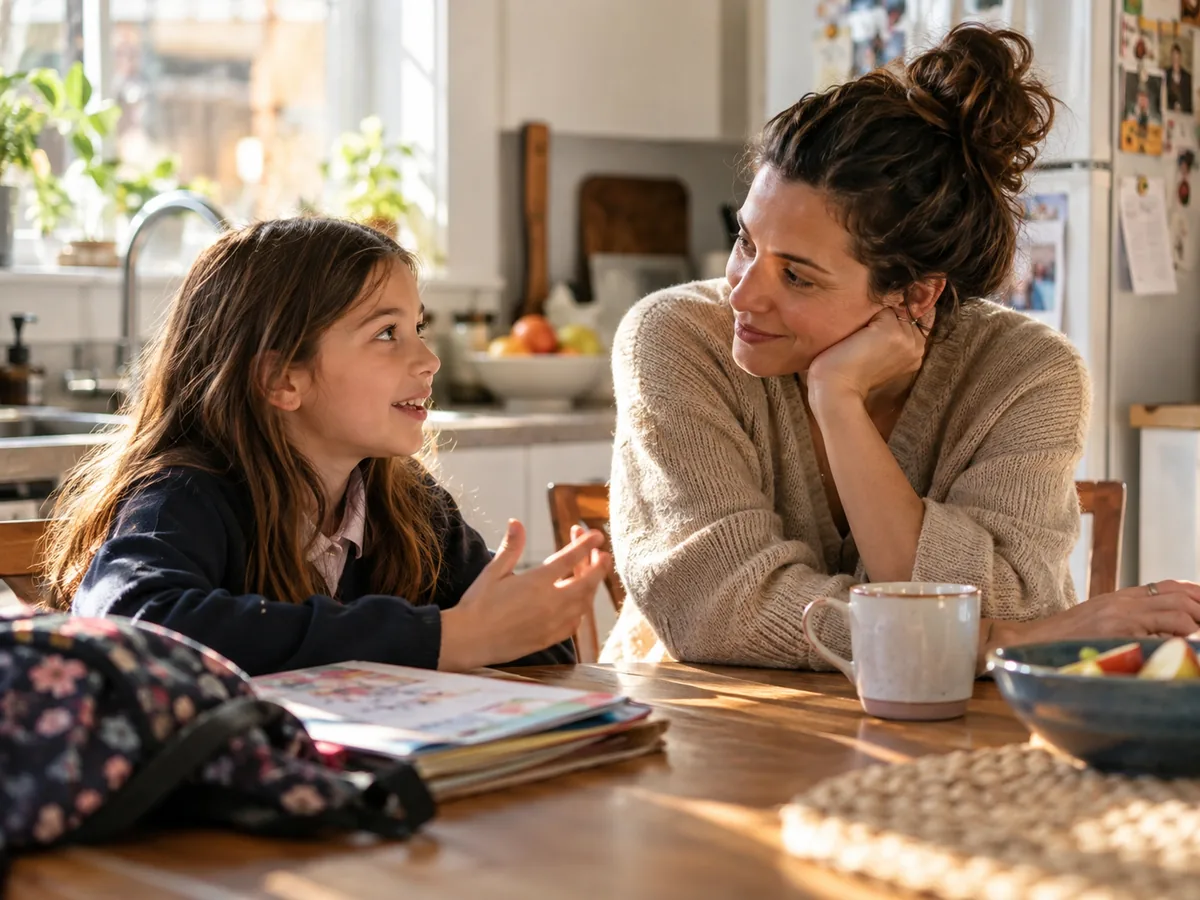
A child comes home quiet, skips dinner, and says their stomach hurts again. Their favorite hoodie has a new tear, and they suddenly want to stay home on Monday. Changes like these can be a reason to check in, even before a child uses the word "bullying." October is National Bullying Prevention Month, a reminder to make school safer for children with disabilities. This guide explains warning signs, documentation, reporting to school, IEP or 504 support, and ways to support your child at home.
Start with safety: report concerns promptly, record what you know, ask how the school will protect your child, and follow up. You do not need to wait until you can prove a pattern.
In U.S. federal guidance, bullying involves unwanted aggressive behavior, a real or perceived power imbalance, and repetition or the potential for repetition. A harmful incident still deserves attention even if its label is uncertain. The IEP and 504 discussion below focuses on U.S. public schools.
National Bullying Prevention Month: Why This Conversation Matters
October is National Bullying Prevention Month. PACER launched the campaign as a week in 2006 and expanded it to a month in 2010. In Canada, observances vary: Ontario recognizes Bullying Awareness and Prevention Week in November. Wherever a family lives, every child deserves to feel safe at school.
Sources: PACER campaign history; Ontario’s November observance.
Children with disabilities can face an increased risk of bullying. StopBullying.gov identifies factors such as communication barriers, limited peer support, and environments that do not accept differences. Risk varies across children and settings; a single rate should not be assumed for all disabilities.
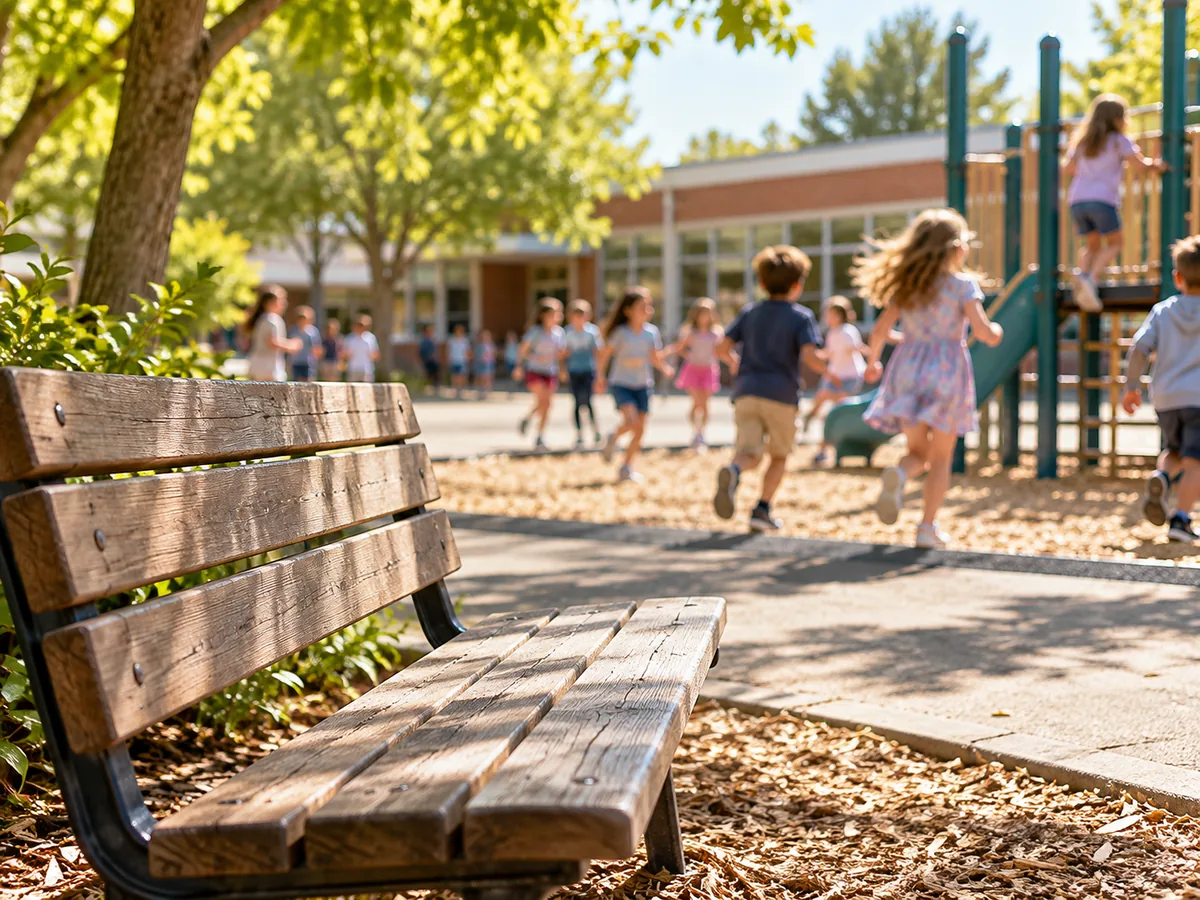
Bullying is not a normal part of growing up, and a child should not be expected to simply toughen up. It can affect daily life and learning. Parents and educators can work together to identify concerns, improve safety, and respond to the child’s needs.
Why Kids with Disabilities Are Bullied More Often
Differences can become a focus for bullying in an environment where peers exclude or mistreat others. A student who uses a communication device, needs extra time, or leaves class for services may need adults to notice and address that treatment. The disability does not cause the bullying, and the child is not responsible for preventing it.
Factors to consider for an individual child include:
- Peer attitudes toward differences in learning, movement, speech, or behavior
- Support needed to interpret teasing, manipulation, or unsafe friendships
- Access to supportive friendships and inclusive peer activities
- Communication barriers when describing an incident or asking for help
- Supervision in hallways, buses, lunchrooms, and at recess
- Whether classmates are mocking a child’s learning needs or support services
It is also important to know that some children with disabilities are targeted in quieter ways. They may be "befriended" by peers who then trick them into embarrassing situations, take their belongings, or dare them to break rules. Because the child may see these classmates as friends, they may never describe the experience as bullying.
Some students with disabilities are also accused of bullying when they react to being provoked. A child who struggles with impulse control or emotional regulation might lash out after days of quiet teasing, and only the reaction gets noticed. This is one more reason careful observation and documentation matter so much.
Warning Signs Your Child May Be Bullied (Even If They Never Say So)
Children may not report bullying because they worry about retaliation, feel embarrassed, or have difficulty explaining what happened. Children who do not use speech may communicate through devices, pictures, gestures, or changes in behavior. Adults should provide accessible ways to share concerns rather than assume a child cannot report them.
Common warning signs include:
- Unexplained cuts, bruises, or scratches
- Torn clothing or damaged, lost, or "missing" belongings, including glasses, devices, or school supplies
- Coming home hungry, which can signal lunch being taken or skipped to avoid the cafeteria
- Frequent headaches, stomachaches, or asking to stay home
- Avoiding the bus, recess, a certain class, or a specific hallway
- New trouble sleeping or frequent nightmares
- A sudden drop in grades or loss of interest in schoolwork
- More meltdowns, anxiety, or withdrawal, especially right after school
- Saying things like "Nobody likes me" or "I'm stupid"
- Losing friends or no longer being invited to social events
- Becoming anxious or upset after using a phone, tablet, or gaming console
These are possible clues, not a diagnosis. See StopBullying.gov’s warning-sign guidance.
No single sign proves bullying, and changes like these can have other causes. Look for patterns and talk with the child and school. Seek appropriate health support for new or persistent symptoms. For more examples, see our guide to warning signs of bullying.
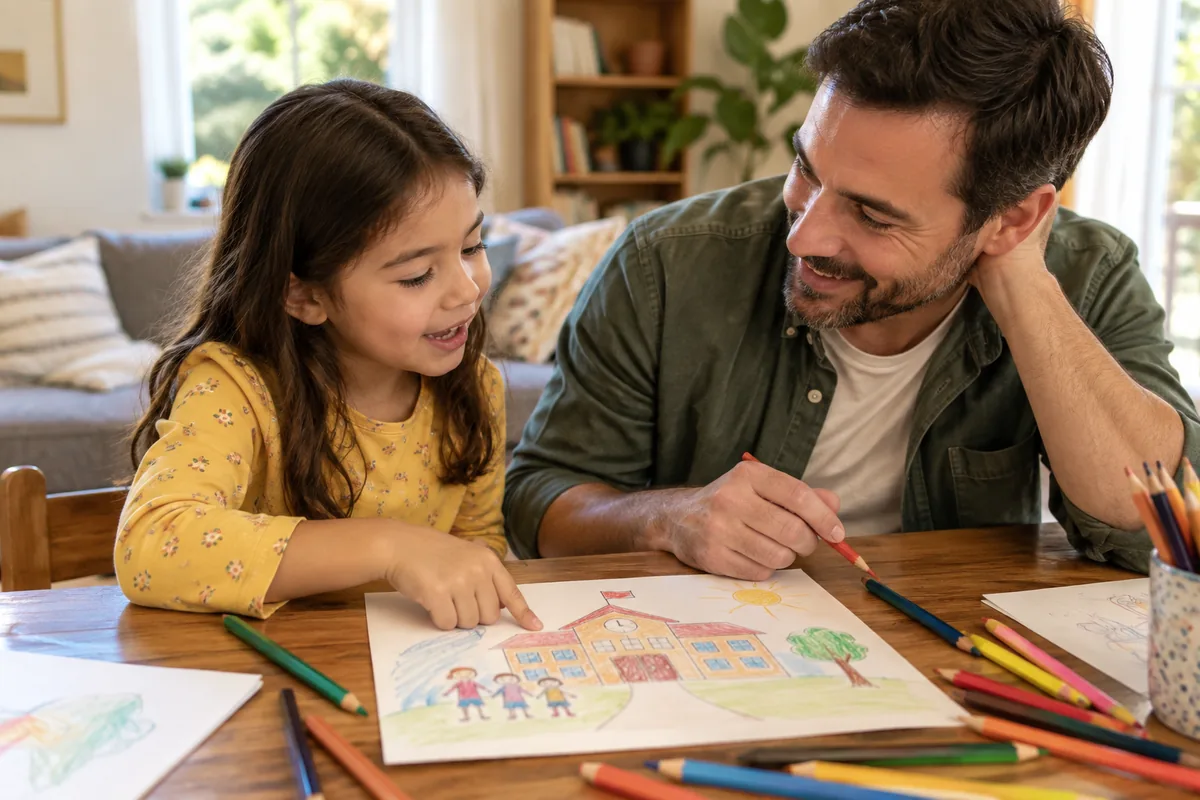
Try open, low-pressure conversations during calm moments, such as while drawing together. Ask questions like "Who did you sit with at lunch?" or "What happened at recess?" Give the child time and access to their usual communication tools. Drawing or picture choices may help some children share. Ask teachers, aides, bus drivers, and therapists what they have noticed, without suggesting answers to the child.
If a child talks about self-harm or suicide, seek help immediately. In the United States, call or text 988; in Canada, call or text 9-8-8. Call 911 for immediate danger or a medical emergency. Do not wait for a school meeting.
How to Document Bullying Incidents
A clear written record helps parents and school staff understand what happened, notice patterns, and follow up. Start with what you know; a complete log is not a prerequisite for reporting a concern or asking for immediate safety support.
A simple bullying log should include:
- The date, time, and location of each incident
- The names of the students involved, if known
- A description of what happened, using the child's own words when possible
- The names of any witnesses, including adults who were nearby
- Any injuries, with dated photos
- Damaged or missing items
- Screenshots of texts, social media posts, or messages for cyberbullying, including dates and usernames
- How the child was affected, such as missing school, trouble sleeping, or refusing to ride the bus
- Every contact with the school, including who was told, when, and what they said they would do
Write things down while details are fresh. Separate what the child said, what you observed, and what remains uncertain. Avoid leading questions. Keep records securely and share them only with people who need them to respond. Save cyberbullying evidence before deleting or blocking messages; StopBullying.gov explains how to preserve and report it.

How to Raise Bullying With the School
Report a concern to the school promptly, even if you are still gathering details. If you begin by phone or in person, follow up in writing so there is a record of what was reported and requested. For urgent safety or medical needs, get immediate help rather than wait for the reporting process.
A strong report is calm, factual, and specific. It describes what happened, when and where it occurred, who was involved, and how the child has been affected. It also asks direct questions: What steps will the school take to investigate? How will the child be kept safe in the meantime? When will the family hear back?
A short starting point: "I am reporting a concern about [what happened] on [date/location]. My child reports [their words], and I have noticed [specific effect]. Please confirm receipt, explain the immediate safety steps and investigation process, and tell me when we will follow up." Adapt this example to the facts; it is not a legal form.
Ask for the school or district’s bullying-reporting policy and follow its steps. If the response is missing or the bullying continues, raise the concern with the principal and appropriate district staff. In a U.S. public school, that may include the special education director or Section 504 coordinator. Keep copies of emails and meeting notes. Reporting routes and legal requirements differ by location.
It also helps to be clear about the outcome the family wants. Bullying solutions should not put the burden on the child who is being targeted. Moving a bullied child to a different class, lunch period, or bus without their agreement can feel like a punishment and may limit their access to the services and learning they need.
Ask about your child’s safety and support rather than demanding another student’s confidential records. If concerns remain unresolved, consider the district’s grievance process and applicable civil-rights complaint options.
Using the IEP or 504 Plan to Address Bullying
In U.S. public schools, bullying can affect a student’s right to a free appropriate public education (FAPE), whether or not the bullying is based on the disability. The U.S. Department of Education’s parent fact sheet says schools must investigate and take appropriate action, and address effects on disability-related services. If behavior or academic changes suggest the student may not be receiving FAPE, the IEP or 504 team should meet to consider changed needs and services. IEP and Section 504 are U.S. frameworks; Canadian families should check their province or territory’s rules and school-board procedures.
Ask the IEP or 504 team to discuss the bullying and its effects on access to learning. Supports to consider, based on the individual student’s needs, include:
- A safety plan that names trusted adults the child can go to and explains how to reach them
- Increased supervision in high-risk areas, such as the bus, hallways, locker rooms, and lunch
- Instruction or goals to recognize unsafe interactions, where appropriate to the student’s needs
- Self-advocacy goals that teach the child how and when to ask for help
- Counseling or check-ins with a school psychologist or counselor
- Regular communication between home and school, such as a weekly check-in
- A review of whether bullying is affecting academic progress, attendance, or behavior
Supports should preserve access to learning and peers, with the child’s input wherever possible. Teaching communication or self-advocacy does not transfer responsibility for stopping bullying to the child. If new behaviors appear, ask the team to consider what happened before them and whether existing supports need to change.
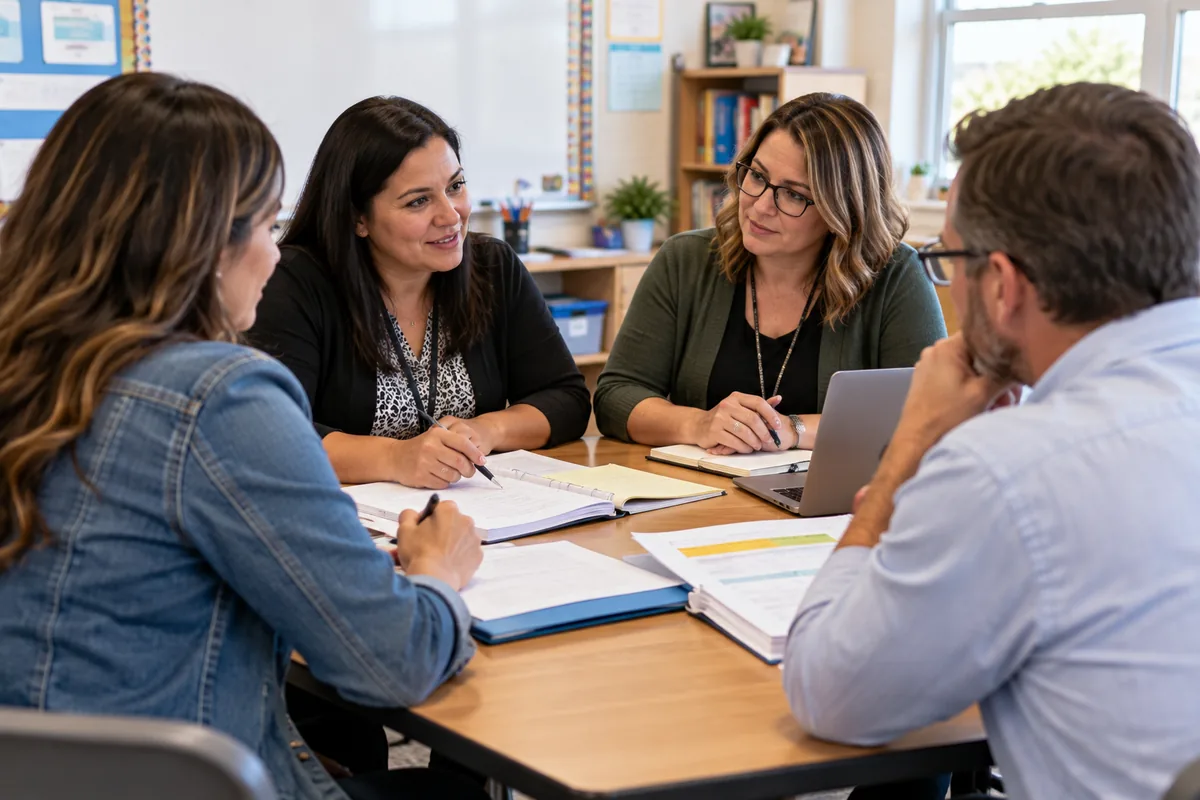
If you want help preparing for the discussion, an IEP advocate can help you organize concerns and requests. Bring your incident notes and questions about safety, learning access, who will carry out each step, and how the team will review it. Advocacy support does not guarantee a particular school decision or outcome.
Supporting Your Child's Confidence at Home
Bullying chips away at a child's sense of safety and self-worth. While the school works on stopping the behavior, home can be the place where a child starts to feel strong again.
The first step is simply to listen. When a child shares something hard, parents can stay calm, thank them for telling, and make it clear the bullying is not their fault. Reactions like anger or panic, even when they come from love, can make a child hesitant to share next time. A steady "I believe you, and we are going to work on this together" can go a long way.
Practice a simple response that fits your child’s communication and safety needs, such as "Stop. I don’t like that," or a message on their communication device. Help them identify a trusted adult and a safe way to get help. A child should not have to confront someone or physically fight back to receive protection.
Friendships outside of school can be protective, too. Clubs, sports, faith communities, art classes, and interest-based groups give a child a chance to connect with peers who share their passions. Even one solid friendship can help a child feel less alone.
Federal guidance on supporting children emphasizes listening, avoiding blame, and following through with the school.
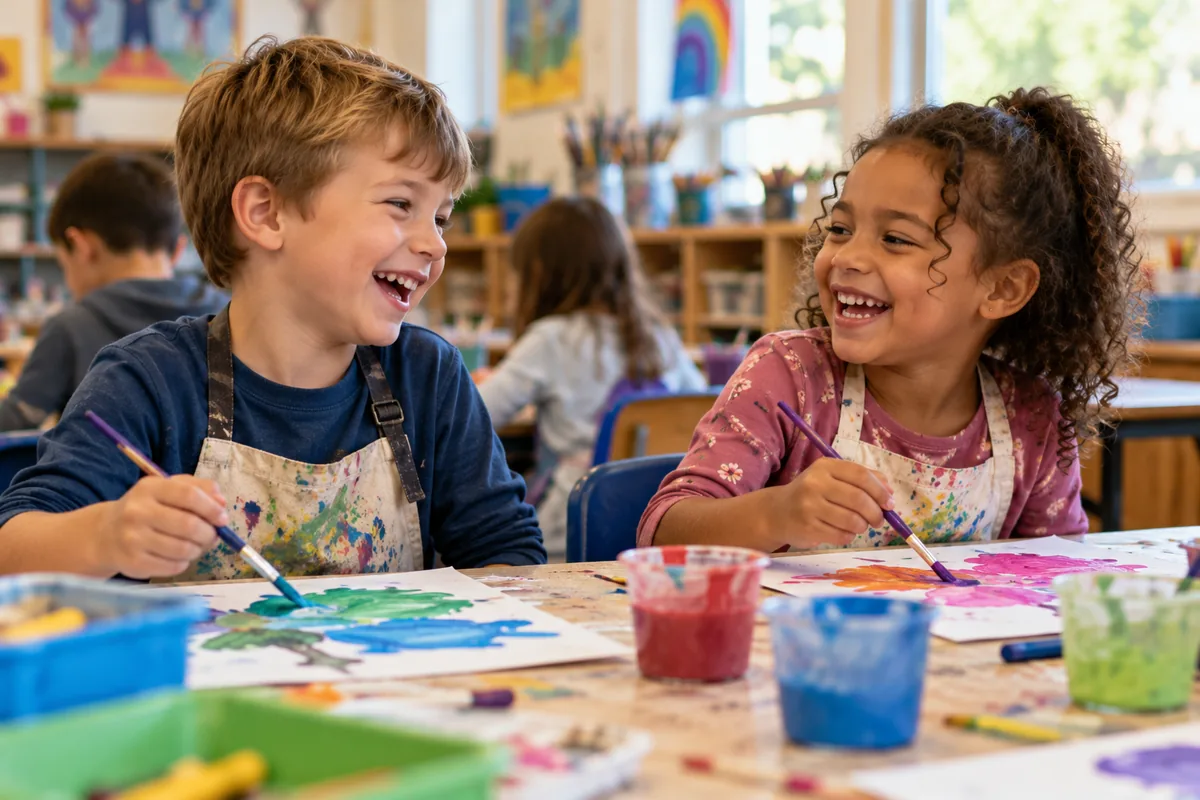
If bullying and learning difficulties are happening together, discuss both with the school. Special needs tutoring can provide additional academic support matched to a student’s learning needs. It should complement the safety response; tutoring is not a way to make a child responsible for ending bullying, and progress or emotional recovery cannot be promised.
Finally, parents can make a habit of noticing strengths out loud. Kindness, creativity, humor, persistence, and curiosity all deserve praise. Children who are bullied often hear a loud message that something is wrong with them. Home can offer a louder, truer message: they are valued exactly as they are.
How Educators Can Help Stop Bullying at School
Educators play a central role in learning how to stop bullying at school, but many teachers are already stretched thin trying to meet the needs of every student. A few focused steps can make a meaningful difference for students with disabilities.
Staff can monitor places where concerns have been reported, respond promptly, and follow school procedures. Listen to children using their own communication methods. Disability awareness and inclusive activities can help build a more supportive environment without disclosing a student’s private information.
It also helps to look at the full picture when a student with a disability reacts with an outburst. Asking what happened before the reaction can uncover bullying that might otherwise be missed.
During an incident, prioritize safety and immediate health needs. Speak to the children separately and avoid forcing an on-the-spot apology or reconciliation. See StopBullying.gov’s response guidance.
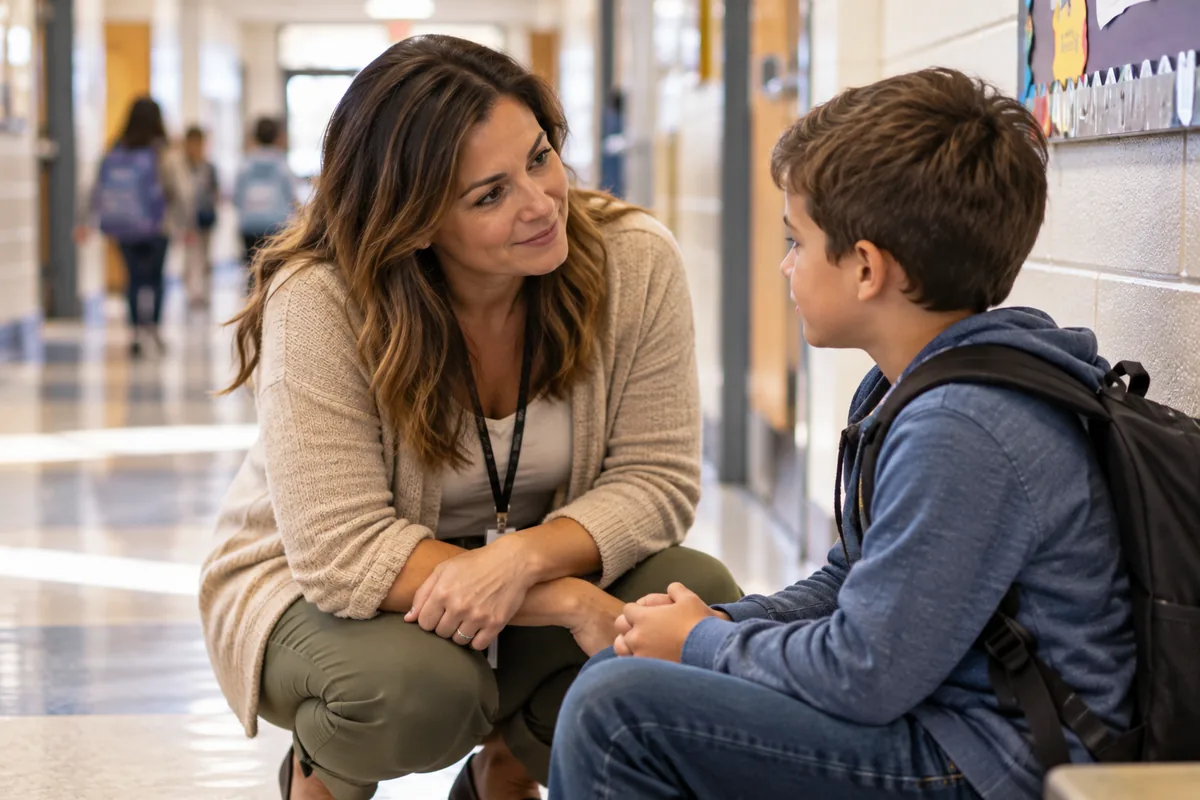
Strong communication with families, including quick updates when incidents happen, builds trust and helps the whole team respond together.
Schools considering outside academic support can review SER’s tutoring options for fit with their students’ needs. Decisions about supervision, investigation, services, and safety remain part of the school’s response to bullying.
Every Child Deserves to Feel Safe
Families can take a practical next step: write down the concern, report it to school, ask about immediate safety, and request an IEP or 504 discussion when learning access is affected. Keep checking in with your child and follow up on whether the response is working.
This National Bullying Prevention Month is a good time to take one step forward. That might mean starting a bullying log, sending a clear email to the school, requesting an IEP meeting, or simply having a calm conversation at the dinner table. Every step tells a child the same thing: they are not alone, they deserve to be safe, and the adults around them are ready to help.
For help turning school concerns into a meeting agenda, explore SER’s IEP advocacy information. Bring your questions, your child’s priorities, and the record you have so far.